
Buyers
Buying a Home With Well and Septic in Tennessee
Thinking about buying a home with well and septic in Tennessee? Here is how inspections, water testing and soil evaluations fit into your timeline.
Read more →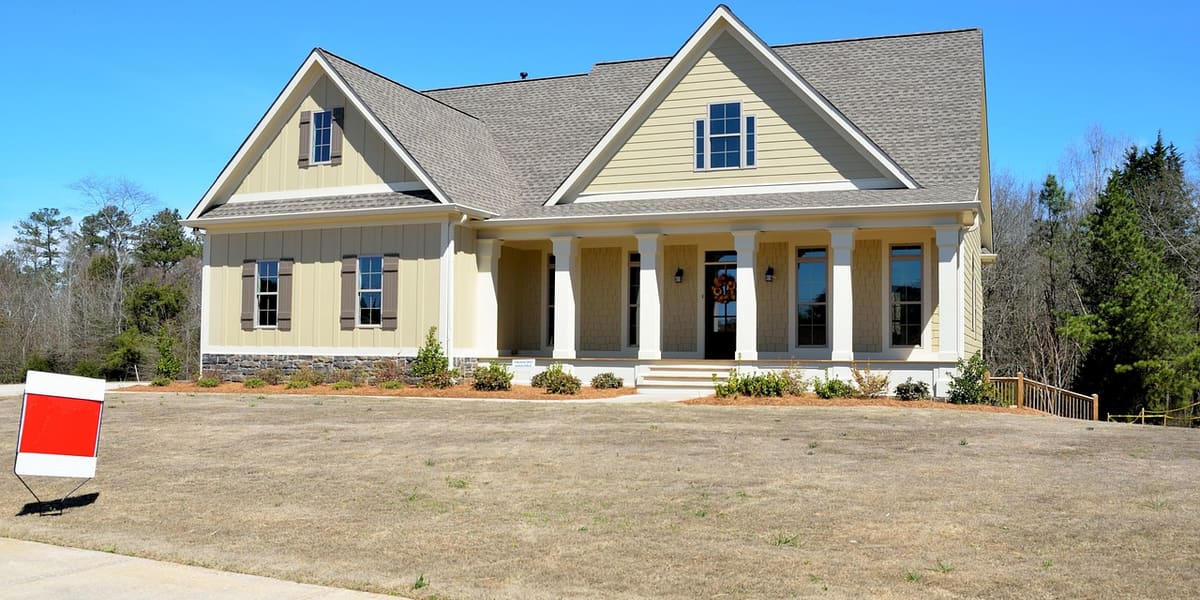
Everyone asks whether now is a good time to buy. I can’t answer that for the whole market, and nobody can reliably predict where prices or rates are headed. What I can do is show you what the local numbers say today and how to weigh them against your own situation.

Start with prices. According to the Redfin Data Center, the Nashville median sale price was $477,500 as of 2026-08-31 (rolling 3 months). That was down 0.1% from a year earlier, so prices are roughly flat over the year rather than moving sharply either way.
Now look at how long homes take to sell. In that same Redfin data, the median days on market was 64 and the average sale-to-list ratio was 97.6%. In plain terms, homes were typically selling a bit under their asking price.
The more recent snapshot is similar. For the Nashville metro area in the 4 weeks ending 2026-09-27, Redfin shows:
Months of supply is how long it would take to sell every active listing at the current pace of sales. Under 4 months favors sellers, 4 to 6 months is balanced, and over 6 months favors buyers. At 5.4 months for the metro (Redfin, 4 weeks ending 2026-09-27) and 5.3 months for Nashville (Redfin, as of 2026-08-31), the market sits in the balanced range.
One caution. These are area-wide figures. Conditions can differ a lot between cities, price ranges and neighborhoods, so the numbers for the specific place and price point you are shopping matter more than a headline. Market data for the I-65 corridor is a place to start looking at your own area. Zillow Research also publishes local market data if you want a second view.
The rate is the number most people point to. Freddie Mac, via FRED from the Federal Reserve Bank of St. Louis, reported the 30-year fixed mortgage rate at 7.28% for the week of 2026-10-01. You can check the latest reading yourself at Freddie Mac 30-year mortgage rate (FRED).
Many buyers wait for rates to fall before buying. The trouble is that nobody can reliably predict where rates will go, so waiting is a bet in either direction. The cost of waiting is also real even though it is easy to overlook: rent you keep paying, price changes, or losing a home you wanted.
Some buyers buy now and plan to refinance later if rates fall. That is a possibility, not a plan. Refinancing depends on rates, credit, home value and income at that time, and it has closing costs of its own.

Photo by EdwardStudio on Pixabay
Listings and buyer activity often vary by time of year. Still, the right moment for one household usually depends more on its own finances, timeline and the specific home than on the calendar.
A more useful way to think about it is personal readiness:
Remember the cash needed up front. Closing costs typically run 2 to 4 percent of the purchase price, plus earnest money and moving costs.
The 20 percent down payment is a traditional rule of thumb, mostly because it avoids private mortgage insurance on a conventional loan. Many buyers put down less. FHA loans allow a down payment as low as 3.5 percent, and VA loans typically require no down payment, though a funding fee may apply. The right amount depends on your savings, your monthly budget and the loan type.
If the rate is your main concern, there are a few things buyers ask about. None of them is guaranteed, and a lender has to confirm what is allowed for your loan.
The CFPB also encourages getting a Loan Estimate from more than one lender, because rates and fees can differ. You choose your own lender.
Another way to frame the question is to compare the full monthly cost of buying with the monthly cost of renting a comparable home. For buying, that means the payment, taxes, insurance and maintenance. Then weigh how long you expect to stay, since a short stay changes the math.
Property taxes and school assignment depend on the exact address. For any home you are serious about, verify taxes with the county and schools with the district. Spring Hill, for example, includes parts of both Williamson and Maury counties, so details can differ by address.
You can try your own numbers with the mortgage calculator to see how different rates and down payments change a monthly payment.
So, is now a good time to buy? The local numbers show a balanced market with prices roughly flat over the past year, and rates that are a real factor in the monthly payment. Whether it works for you comes down to your budget, your timeline and the home itself.
If you want to talk it through, you can get matched with homes and I will schedule a call, and you will be talking with me within the next 48 hours. If you would rather ask a question first, you can contact Scott directly. No pressure either way.
It depends on your finances, timeline and the specific home more than on the calendar. Redfin shows 5.3 months of supply for Nashville as of 2026-08-31, which falls in the balanced range of 4 to 6 months.
Freddie Mac, via FRED, reported a 30-year fixed rate of 7.28% for the week of 2026-10-01. Your own rate depends on your credit, down payment and lender, so compare Loan Estimates.
Redfin reported a Nashville median sale price of $477,500 as of 2026-08-31, down 0.1% from a year earlier. That is roughly flat, and nobody can reliably predict where prices go next.
Nobody can reliably predict where rates will go, so waiting is a bet in either direction. The cost of waiting, such as rent paid or a lost home, is real. Some buyers plan to refinance later, but that is not guaranteed.
Closing costs typically run 2 to 4 percent of the purchase price, plus earnest money and moving costs. Down payment needs vary by loan type, and FHA loans allow as little as 3.5 percent down.
Tell me your budget, area and timeline, and we'll be talking within the next 48 hours.
Thinking about buying a home with well and septic in Tennessee? Here is how inspections, water testing and soil evaluations fit into your timeline.
Read more →
See how the 30-year fixed rate shapes your monthly payment, and how to run your own examples in the mortgage calculator with local price data.
Read more →
A plain-English look at the first steps of buying a home, from pre-approval to your first tour, with a free checklist.
Read more →