

Sellers
Showing Your Home While You Live There: A Checklist
A practical checklist for showing your home while you still live in it, covering photos, pets, open houses and a daily reset routine.
Read more →
If you are selling a home in Tennessee, the termite inspection is one item that can catch you off guard. Termite and wood-destroying organism (WDO) inspections are commonly requested by buyers and lenders in Tennessee. This post covers what that means for you as a seller and what to sort out early.
I am not giving legal or pest control advice here. This is how the pieces fit together, so you can ask better questions of the professionals you hire.
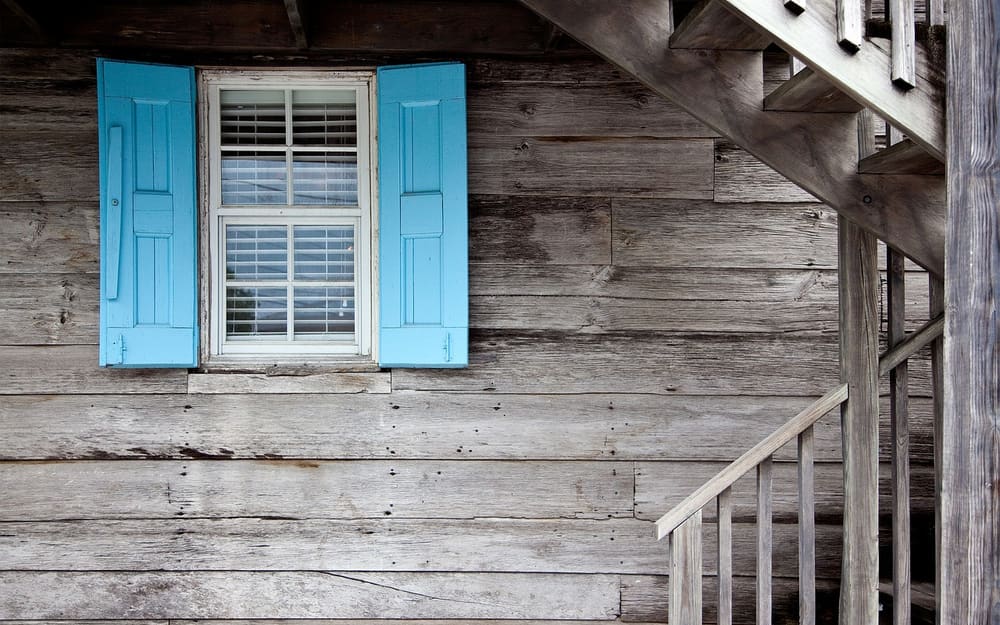
WDO stands for wood-destroying organism. Termites are the one most people think of. A termite or WDO inspection is a focused look at the home for signs of those pests and any related damage.
It is separate from the general home inspection. Radon testing, a sewer scope and a termite inspection are common add-ons to a standard home inspection, so a buyer may order several things at once. If radon comes up, the EPA radon information page is a good official place to read about it.
Ask any company you hire what its report covers and how to read it. Do not assume every report looks the same.
Buyers and lenders commonly request these inspections. That is the extent of what I can say as a general matter. How it plays out on your sale depends on the buyer, the loan and your contract.
A few things are worth confirming with your agent when you list:
Read the contract language itself. A friend’s experience or a general rule of thumb will not tell you what your own paperwork says.

Nobody knows what a report will show until the inspection is done. If it does show activity or damage, a repair request usually becomes part of the negotiation. What happens next depends on your contract, the buyer and the home.
A few general steps help:
I will not put a dollar figure on any of this. Costs depend on the home and the findings, and a written quote from a qualified professional is the only number worth planning around.
If your home is older, it can help to read up on what to watch for. The Franklin older homes page is a place to start, and the same questions apply to older homes in other towns.
A termite report does not replace the seller paperwork. Tennessee sellers complete the residential property condition disclosure (or an exemption). The lead-based paint disclosure applies to homes built before 1978.
Answer the disclosure forms accurately and completely. If you are unsure how a past treatment, repair or known issue should be handled on the form, ask your agent first. For a legal question, talk with a real estate attorney. For questions about how agents are regulated in Tennessee, the Tennessee Real Estate Commission is the official source.
If you are not sure how old your home is, you can look up the property record for your address on the Williamson County property search. Other counties have their own records, and Spring Hill, for example, includes parts of both Williamson and Maury counties, so details can differ by address.
Local numbers do not decide whether you need an inspection. They do help you plan your timeline and your expectations.
Franklin, as of 2026-09-30 (Redfin, rolling 3 months), shows a median of 55 days on market, an average sale-to-list ratio of 98.1%, and 4.0 months of supply. Months of supply is how long it would take to sell every active listing at the current pace of sales. Under 4 months favors sellers, 4 to 6 months is balanced, and over 6 months favors buyers. At 4.0, Franklin sits right at the start of the balanced range.
For the wider area, Redfin reports the Nashville metro for the 4 weeks ending 2026-10-25 with a median of 67 days on market, a sale-to-list ratio of 97.6% and 5.7 months of supply.
These are area-wide figures and they do not predict what will happen with your home. Price range, condition and location all matter. You can see more figures on the Market data for the I-65 corridor page.
Before you list, it helps to have a short list ready:
There is no single right answer to the second question. It depends on your home, your timeline and your comfort with surprises.
If you are thinking about selling, start with the basics. Find out what your home is worth gets the conversation going, and the Selling a home in Franklin page is there if you are in that area. If you have a question about inspections, repairs or timing, you can Contact Scott directly. I am a REALTOR® with Hive Nashville, and I am happy to talk through your situation.
Termite and WDO inspections are commonly requested by buyers and lenders in Tennessee. Whether one is needed on your sale depends on the buyer, the loan and your contract, so ask your agent.
WDO stands for wood-destroying organism. A WDO inspection looks at the home for signs of these pests, with termites being the one most people know.
It is a common add-on to a standard home inspection, along with radon testing and a sewer scope. Ask the company what its report covers.
Tennessee sellers complete the residential property condition disclosure (or an exemption). The lead-based paint disclosure applies to homes built before 1978. Ask your agent or a real estate attorney about specific questions.
Franklin real estate guideSelling in FranklinHousing marketBuying in Franklin
Tell me your budget, area and timeline, and we'll be talking within the next 48 hours.
A practical checklist for showing your home while you still live in it, covering photos, pets, open houses and a daily reset routine.
Read more →
Seven costly mistakes to avoid when selling a home in Franklin, TN this fall, from pricing off old comps to weak photos, with current local market data.
Read more →
What happens after you accept an offer: due diligence, inspections, appraisal and closing. A plain look at the selling a home timeline.
Read more →